
Five birds to celebrate and protect this Easter
As Easter arrives, we are celebrating five birds that will be nesting around Wales and sharing our top five tips to protect their fragile, well-camouflaged eggs during the busy holiday period.
Hidden throughout our mountains, moors, meadows and along our coast, the UK’s most vulnerable birds could be nesting just centimetres from where we walk. Birds on the Red and Amber Lists are those facing the most serious conservation decline and need extra care during the nesting season.
Hen Harrier (Bod Tinwen)
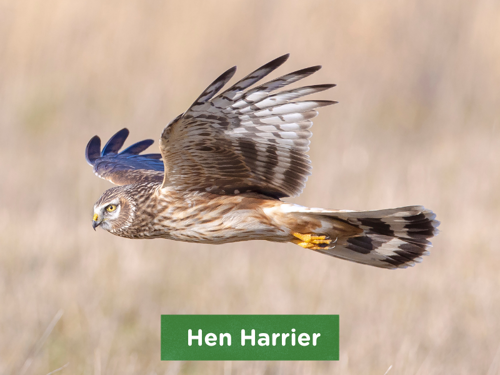
One of Britain’s rarest birds of prey, Hen Harriers rely on quiet uplands for their breeding territories where males perform an incredible “Sky Dance” to attract their female partners. Hen Harriers are a red list species in Wales, with surveys indicating there may be just 40 breeding pairs. Disturbance by walkers or dogs off-lead can cause pairs to abandon their nests.
Curlew (Gylfinir)
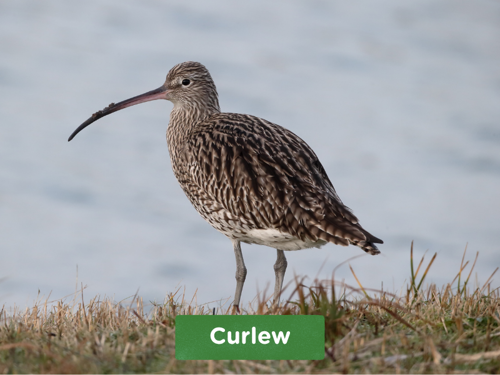
Famous for the evocative burbling call once characteristic of our uplands. Curlews are ground-nesting birds that breed in upland habitats and rough grasslands. Sadly, UK breeding Curlews have declined by 51% in recent years. With only 59,000 pairs remaining they are another red listed species in Wales. When disturbed, adults take flight, exposing their eggs and chicks to cold and predators.
Wheatear (Tinwen y Garn)
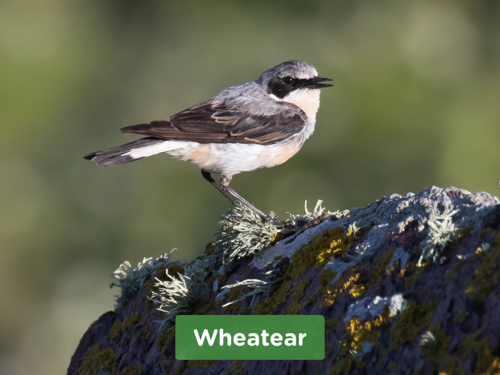
At this time of year, Wheatears have arrived from their wintering grounds in sub-Saharan Africa. Often found around the coast and mountains of Wales, keep an eye out for the flash of a Wheatear’s white rear-end as it flies away. The first record of a Wheatear in Wales was on Yr Wyddfa in 1778 where they are still commonly found. The Wheatear is an amber list species at risk of becoming a red-listed species due to recent population decline. They are easily disturbed by walkers and dogs off the lead.
Meadow Pipit (Corhedydd y Waun)
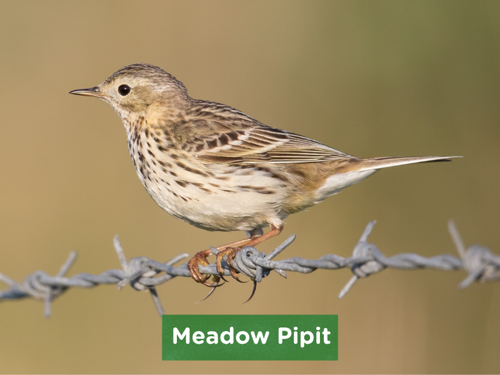
While the Meadow Pipit is a commonly sighted bird in the Welsh uplands, it’s a red listed species in Wales. Meadow Pipits are well-known for their distraction display when disturbed. Walkers, especially with dogs, should look out for this behaviour to avoid disturbance.
Ringed Plover (Cwtiad Torchog)
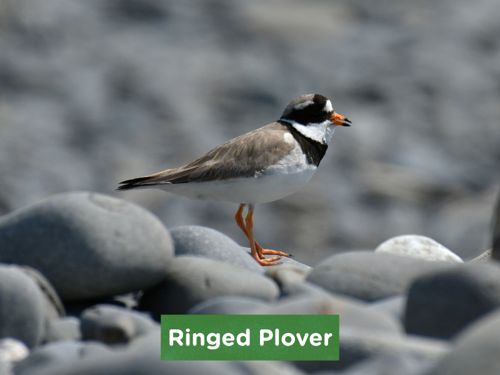
The Ringed Plover is a small, camouflaged wader that blends in easily with its beach surroundings. They like to nest on open beaches where they will create a ‘scrape’ to lay their eggs among the shingle between the high tide line and the top of the beach. Their eggs are also extremely well camouflaged making them vulnerable to accidental trampling. Adults may perform a dramatic distraction display when threatened, feigning injury to lure predators away from their nests.
5 top tips from the Countryside Code
Here are our 5 top tips from the Countryside Code to avoid disturbing these and other birds:
1. Enjoy nature!
By taking our time to enjoy the birds around us, we naturally become more sensitive to their need for space. The more we notice their calls, movements and behaviours, the easier it is to recognise when birds might be nesting nearby and avoid disturbing them.
2. Keep dogs on a lead
Even well-behaved dogs will scare birds from their nests or damage eggs laid among the mountain heather or on shingle beaches. Keep your dog on a short lead during nesting season to help vulnerable birds raise their chicks safely. By law, dogs MUST be kept on a short lead on Open Access land between 1 March and 31 July.
3. Stick to the path
Ground-nesting birds often lay their eggs just centimetres from popular footpaths, especially in mountain and coastal areas. Staying on well-travelled routes reduces the chance of stepping too close to a nest and disturbing birds while they care for their young.
4. Give birds space
If a bird starts calling noisily, flies up in alarm, or performs a distraction display, it’s a sign you are too close. Move away calmly and give the bird plenty of room to return to its nest. Even a brief disturbance can expose eggs or chicks to cold, predators or abandonment.
5. Follow local signage and guidance
At this time of year, temporary diversions, fenced-off areas and dog restrictions are often in place to protect breeding birds. Respecting these measures helps safeguard vulnerable species.
The Countryside Code
The Countryside Code is your guide to enjoying the outdoors safely and responsibly. Whether you’re fishing, wild swimming, or out for a weekend walk with the dog, following the Code supports nature, local communities, and other visitors. This ensures the countryside can be enjoyed by everyone.
Read the full Code on our website
Photo credits
- Hen Harrier © Sander Meertins via canva.com
- Curlew © MikeLane45 via canva.com
- Wheatear © Leopardinatree via canva.com
- Meadow Pipit © aaprophoto via canva.com
- Ringed Plover © Connah via canva.com